
The Friendly Tech Guide Blog
Make Technology Work for You
Clear, useful guides to safer technology, better websites, and everyday business tools.

Write a Customer Email with AI Without Adding Promises
Follow a complete example from rough notes to a customer email, spotting invented prices, deadlines and promises before you send.

Share a File With the Right Person and Permission
Choose who can open a shared file, decide between viewing and editing, check folder access, and practice with a harmless file before sending real work.

Write a Service Page That Answers Five Customer Questions
Build a clearer service page around scope, cost, evidence and the next step, with a fictional before-and-after example you can adapt.

Choose Website Photos That Help Customers Decide
Choose website images for a clear customer question, plan useful crops and write text alternatives that match the image’s purpose on the page.

Who Controls Your Business Website Accounts?
Build a simple access map for your domain, hosting, website and business listing, then check a handoff without sharing passwords or disrupting working services.

Cloud Sync or Backup? Try a Safe File Recovery Test
Find out what your business file protection can actually recover, using a harmless practice file, a separate restore location and a clear recovery note.

Before You Use AI-Generated Work: A Simple Review Routine
Check facts, private information, promises, and practical details before sending or publishing AI-generated business work.

Website Repair or Rebuild: Start With the Evidence
Separate a specific website problem from a structural limitation before deciding whether to repair or rebuild.

A Five-Minute Website Check: Can Customers Find What They Need?
Use your phone to check whether a customer can understand your business, find the right service, and take the next step.
Before You Click "Pay": A Simple Bill-Verification Rule for Families and Businesses
Unexpected bill, renewal notice, toll charge, or payment link? A fake bill does not have to fool everyone. It only has to reach one rushed person at the wrong moment. Here is a simple rule families and businesses can use before a
The Fake Invoice Scam: Why Small Businesses Pay Bills They Never Owed
A fake invoice does not need to be perfect. It only needs to look ordinary enough for one rushed person to approve it. Here is how to slow the payment down safely.
The Home Theft Scam Hiding in Public Records
Property and deed fraud can bypass physical security, beginning instead with a forged document filed in public records. This guide explains how Florida homeowners can use free county alert systems and simple record checks to notice suspicious activity before it becomes a bigger problem.
The QR Code Trap: Why You Should Think Before You Scan
QR codes are hidden links. Learn how to spot QR code scams, pause before opening the destination page, and use safer routes for payments, logins, and personal information.

That Panicked Call May Not Be Your Family: How AI Voice Scams Work
A familiar voice on the phone is no longer proof of who is calling. Scammers can clone a loved one's voice from a short clip and use it to pressure a household into making a quick decision. The fix is not better listening. The fix is a household rule decided before the call ever comes.
The 15-Minute Family Scam Safety Check
Use this 15-minute family scam safety check to help your household recognize pressure, pause before reacting, and respond through trusted channels.

If a Message Creates Urgency, Pause First
Scammers often use urgency to push people into quick decisions. Learn why suspicious messages should make you pause before clicking, calling, replying, or paying.

If a Delivery Text Tells You to Click, Pause
Scammers use fake package delivery texts to steal personal and payment information. Learn how to recognize suspicious delivery alerts, pause before clicking, and verify packages through official carrier or retailer channels.

Easy Money Tasks Online Are Usually a Trap
Beware of task scams that lure you with promises of easy money for simple online work. Their true aim is to get you to pay upfront, often using fake recruiters, counterfeit dashboards, deposits, and withdrawal fees, turning a legitimate remote side hustle into a costly trap. Stay informed and protect yourself from these deception tactics.

No, Your Boss Is Not Asking for Gift Cards
Scammers impersonate bosses and CEOs to trick employees into buying gift cards. Learn the signs of this workplace scam and how to safely verify requests.

That Text About Unpaid Tolls, DMV Trouble, or a Traffic Hearing Is Probably a Scam
Got a text about unpaid tolls, DMV trouble, or a traffic hearing? Learn why these messages are often scams, how to recognize the warning signs, and how to use the simple RPR method: Recognize, Pause, and Respond.
If You Clicked the Link, Here Is What to Do Next
Clicked a scam link or entered your information into a fake site? Here is a calm, practical step-by-step plan to protect your accounts, your money, and your identity.
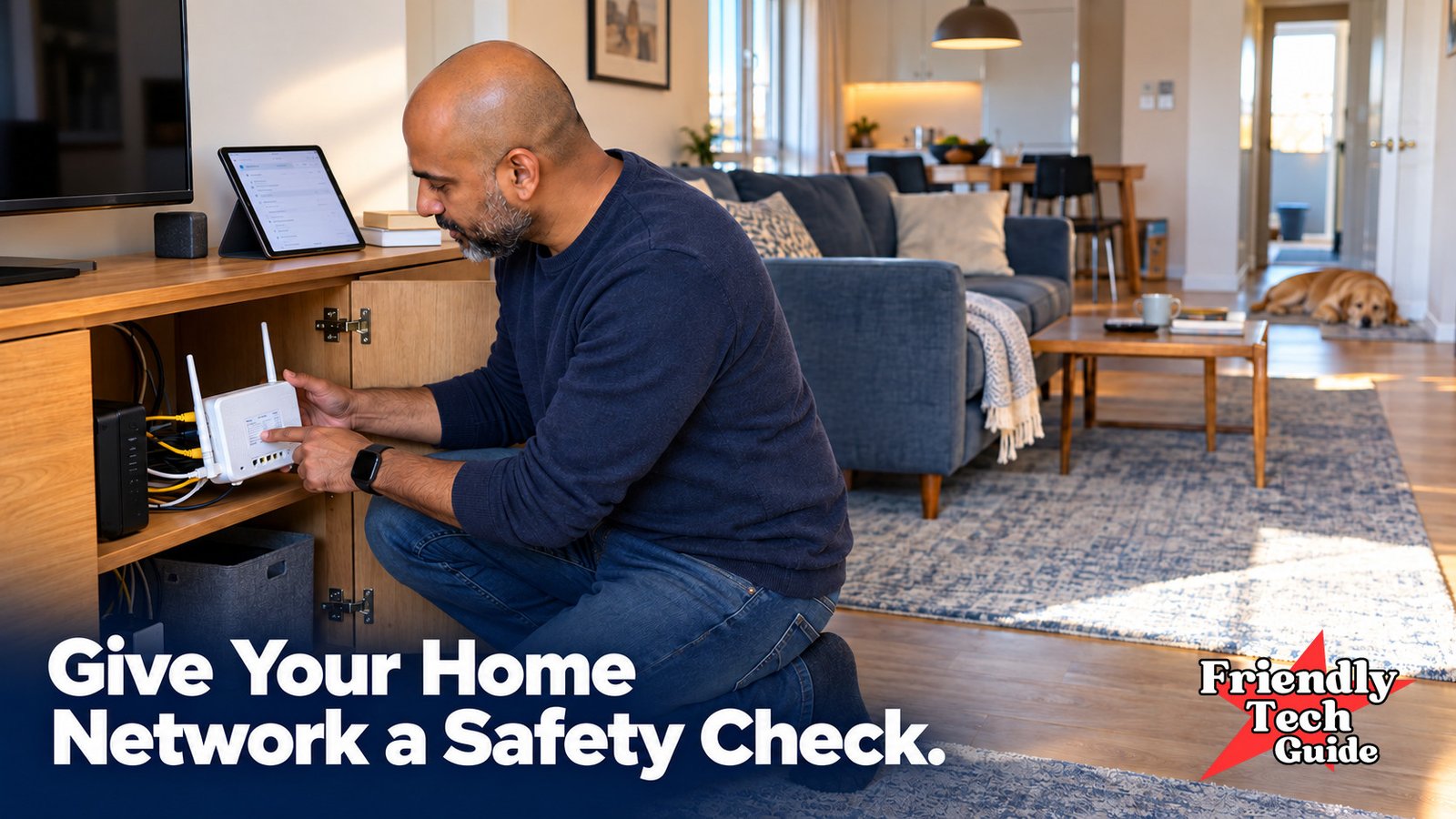
Your Home Network Audit: Small Steps for Permanent Peace of Mind
Your router is the front door to your digital life. Learn how a simple network audit and the "Guest Network" strategy can create an invisible shield for your home.
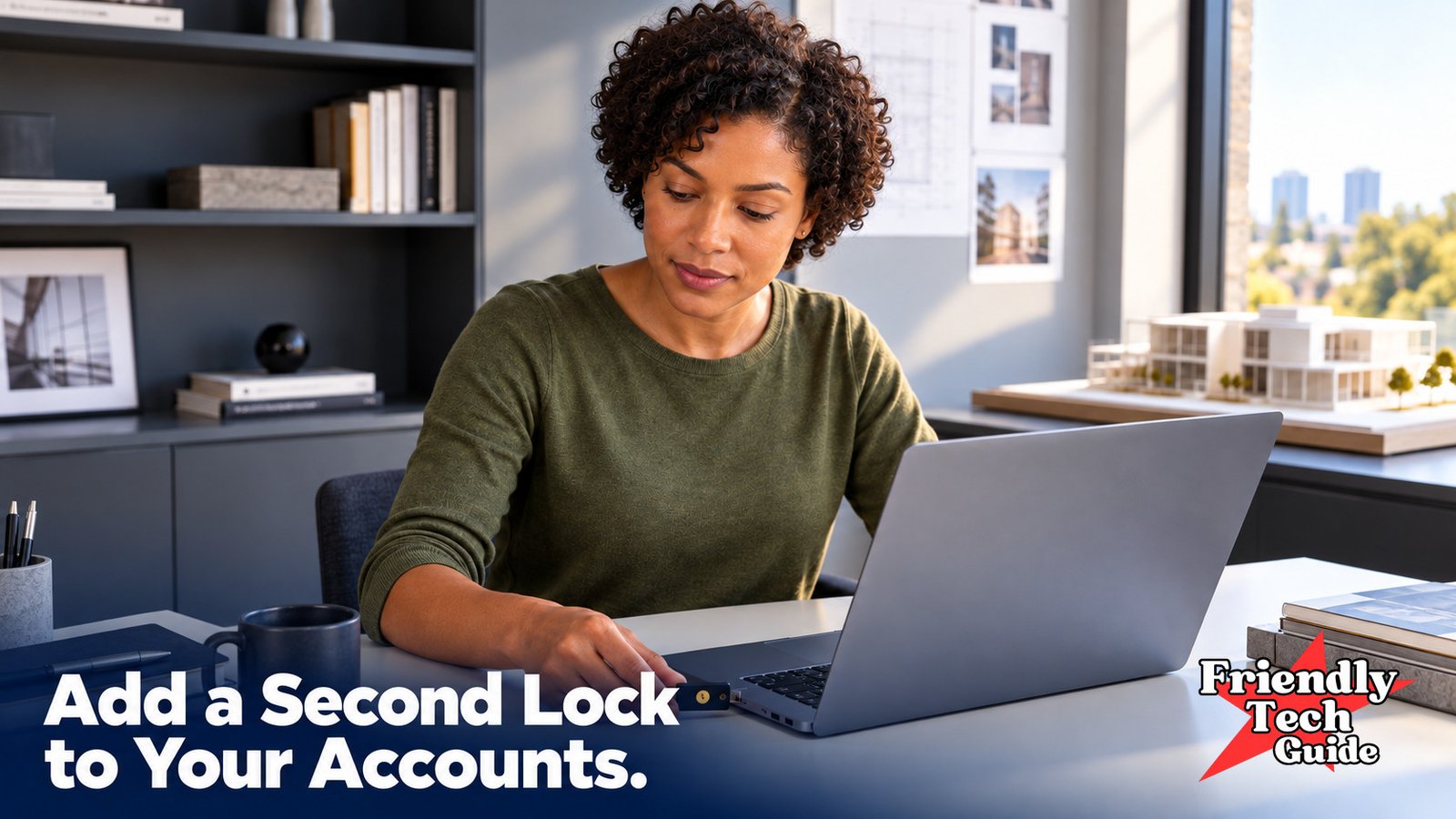
The Second Lock: Why Multi-Factor Authentication Is Your Final Line of Defense
Even a strong password can be stolen. Learn why Multi-Factor Authentication is the ultimate second lock for your bank and email accounts.
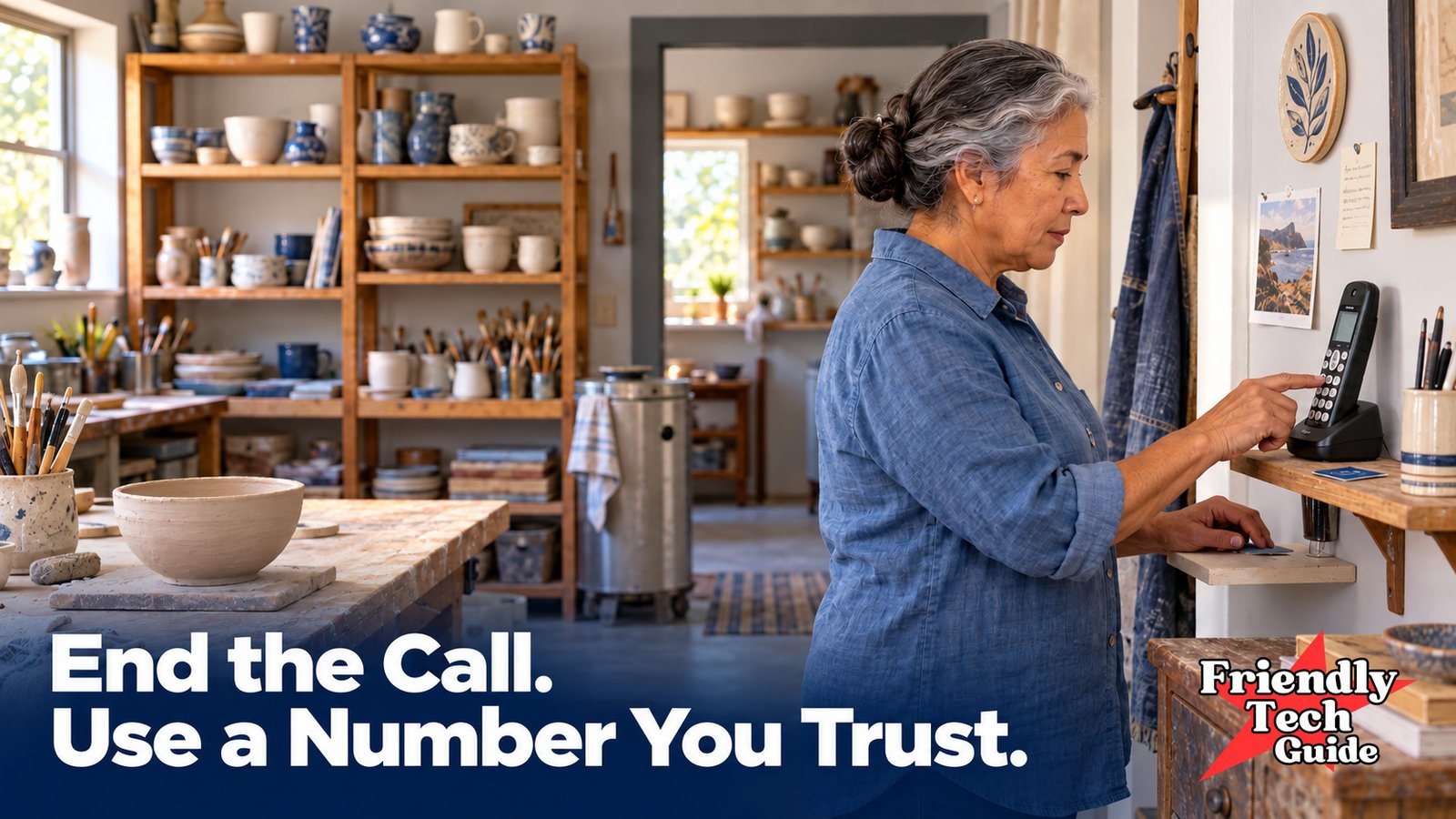
How to Verify Any Call or Text Without the Risk
Learn the callback rule. It is a simple, repeatable habit that helps you pause and verify if a call, text, or email is really from a trusted organization.
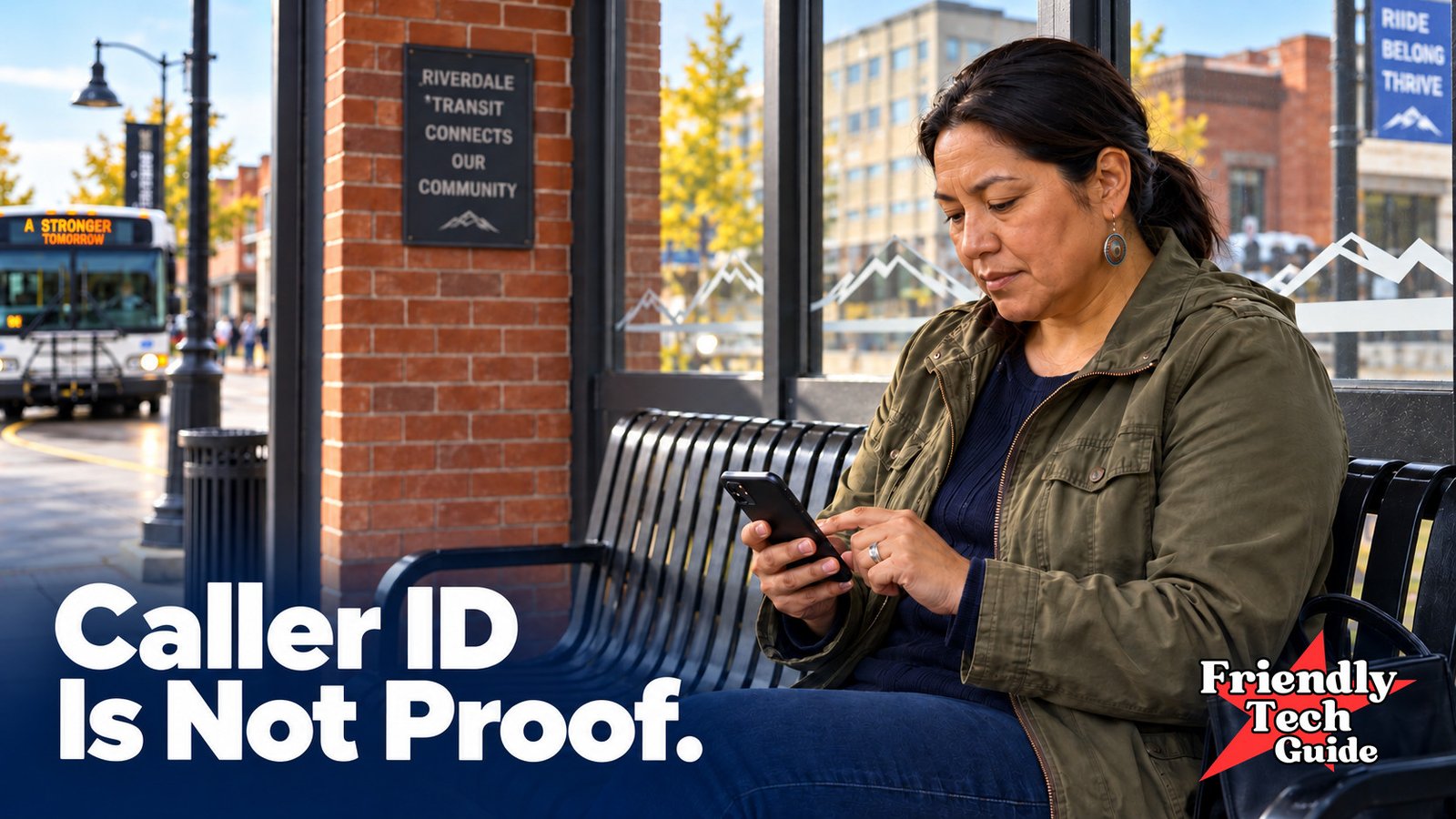
The Name on Your Screen Is Not Proof: A Safer Way to Handle Urgent Calls
Caller ID can be spoofed, so the name or number on your screen is not enough to prove who is calling. Learn the pause and callback rule that keeps you safe.

Scary Computer Popups: What to Do in the First Minute
If your screen freezes with a scary virus warning and a phone number, do not panic. Recognize the signal, pause, and follow these safe steps to regain control.

If a Caller Says Your Bank Needs You To Move Money To Protect It, Pause
If someone says your bank needs you to move money through a payment app to protect it, pause. Learn the red flags, the safest response, and what to do if you already sent money.

Verification Codes: The Key You Should Never Share
Scammers ask for verification codes to break into accounts. Learn how to recognize the pressure, pause the conversation, and verify account safety through a trusted path.

Scripts That Stop Scams in Real Time
Word-for-word scripts to stop scam pressure in real time, verify safely through official channels, and avoid paying or sharing codes under stress.
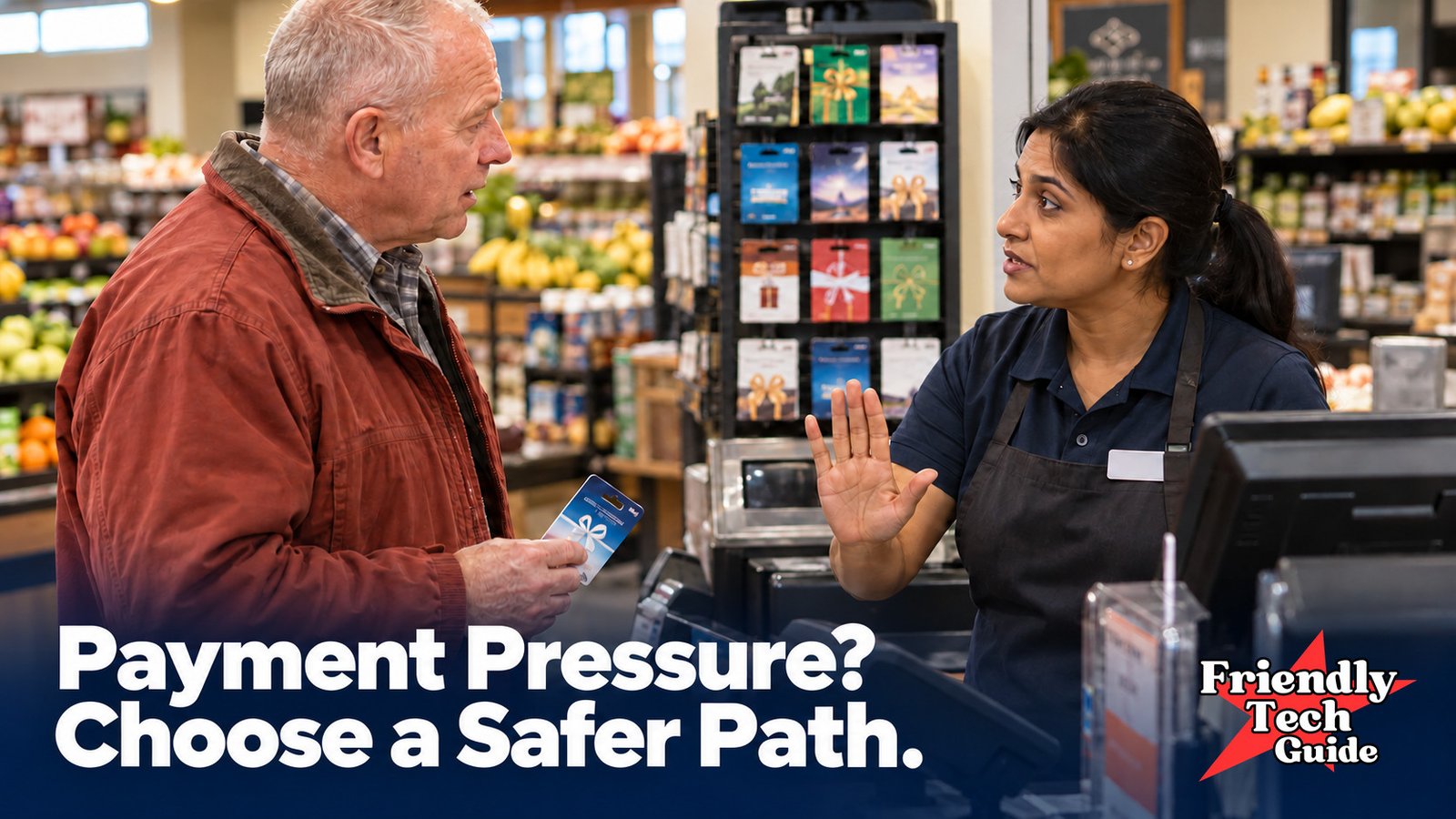
The Payment Methods Scammers Push and What To Do Instead
Scammers use specific payment methods because they are fast and hard to reverse. Learn the biggest red flags and the safer ways to pay.
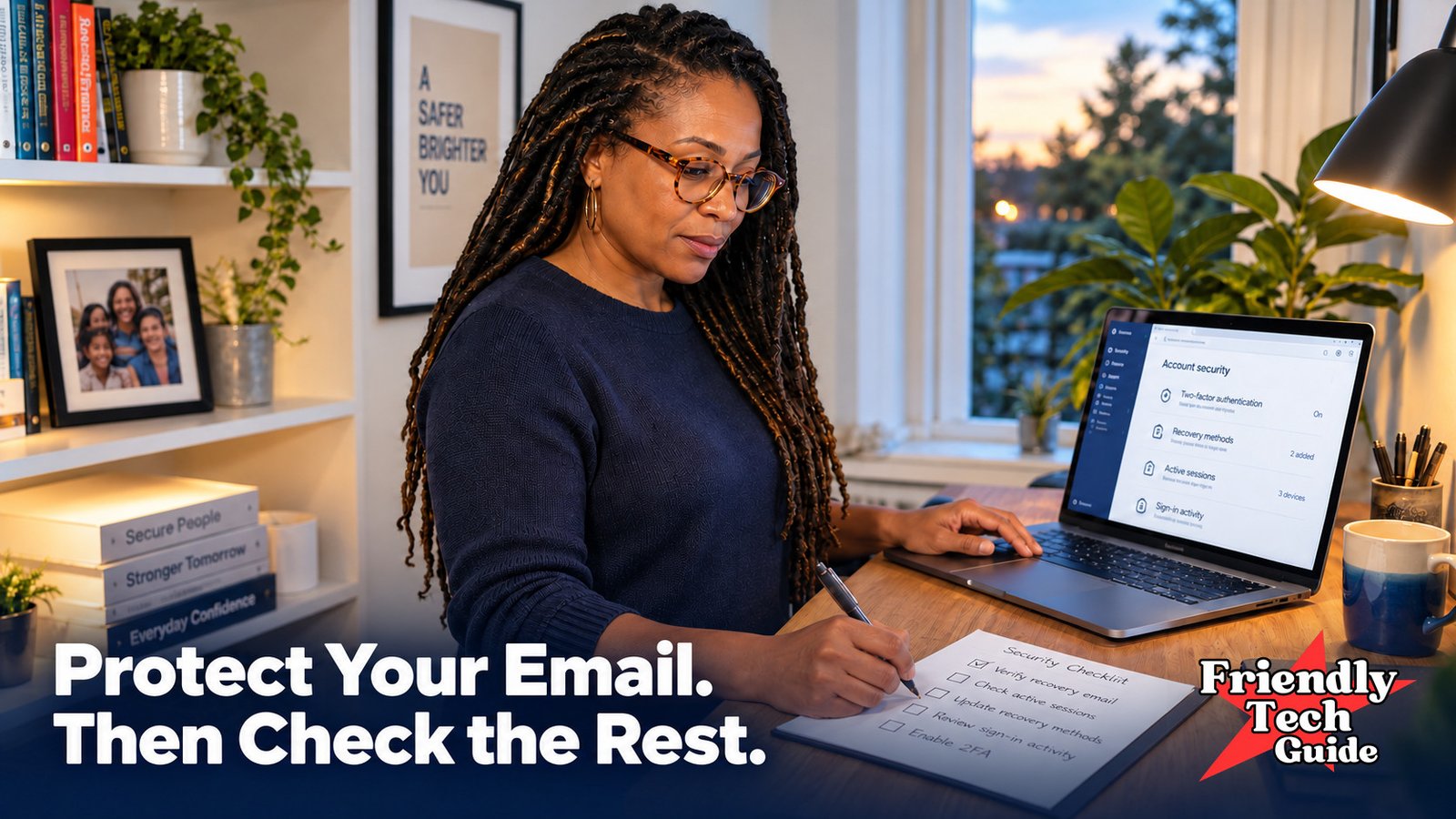
Account Hardening Checklist Expanded: Lock Down Your Accounts in One Hour
A step-by-step checklist to lock down email, banking, and social accounts fast. Start with the quick wins, then finish the deeper protections.

The Pause Method: Stop a Scam in Ten Seconds
A simple ten-second pause can break a scammer’s pressure and protect your money. Use this quick script to safely verify before you click, pay, or share codes.
What To Do Before You Click: A Simple Scam Safety Checklist
Most scams start with a message that pushes you to act fast. This simple checklist helps you pause, verify through official channels, and respond more safely using one clear framework: Recognize. Pause. Respond.
Account Hardening Checklist
Most scams do not start at the bank. They start with your inbox or your phone. That is good news, because it means a few simple settings can reduce your risk by closing the easiest attack paths.
The Payment Methods Scammers Push
If someone is trying to rush you into a specific payment method, that is not a detail. That is the scam. The payment method is part of the trap.

Pause. Verify. Do not pay under pressure: The core anti scam protocol
Pause. Verify. Do not pay under pressure.
The RPR Method: Recognize, Pause, Respond
A simple, repeatable method to stop scams in real time—especially when you feel rushed or stressed. Recognize red flags, pause to create a safety gap, and respond by verifying through a trusted channel.
What To Do in the First 24 Hours After Fraud
A clear, step-by-step response plan for the first 24 hours after fraud: stop contact, protect accounts, secure logins, freeze credit if needed, document, and report through official channels.

How to Recognize a Phone Scam in 10 Seconds
Use this 10-second test to spot scam calls fast: urgency, payment pressure, requests for codes, and caller-ID spoofing. When in doubt: hang up and verify independently. Categories: FFDI; Fraud Prevention